Introduction
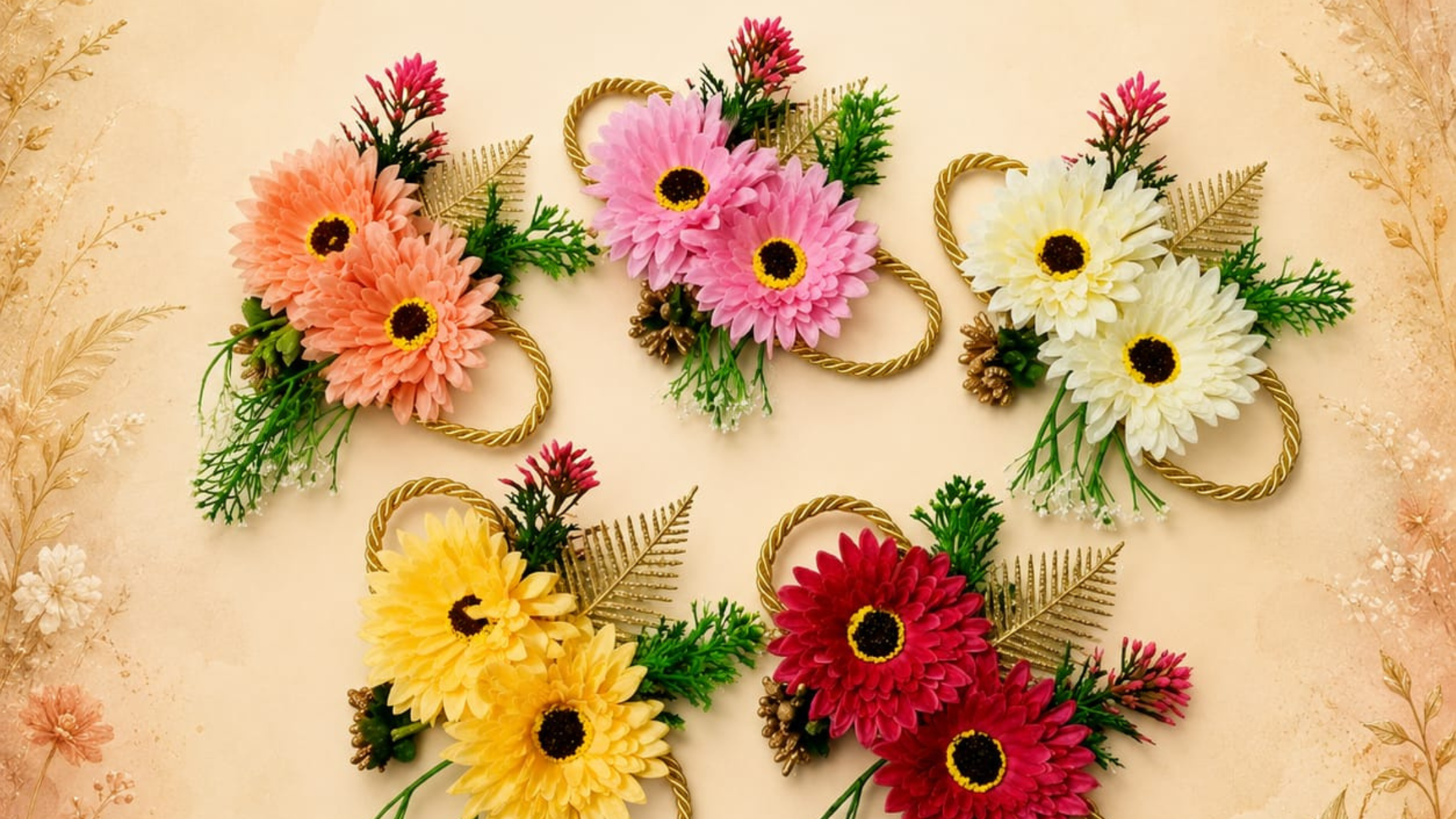
Decorative flowers are flowers that are primarily used to enhance the beauty and appearance of a place, object, or event. Unlike flowers that are grown for food, medicine, or scientific purposes, decorative flowers are valued for their attractive colors, unique shapes, pleasant fragrances, and artistic appeal. They can be natural (fresh flowers), dried flowers, or artificial flowers made from materials such as fabric, paper, jute, foam, wood, plastic, silk, or recycled materials.
Decorative flowers have been an important part of human culture for thousands of years. People use them to express emotions, celebrate special occasions, decorate homes, create memorable events, and add elegance to everyday life. Whether placed in a vase on a dining table, arranged in a wedding venue, or used as wall décor, decorative flowers bring beauty, freshness, and positive energy to any environment.
Definition of Decorative Flowers
A decorative flower is any flower that is used mainly for ornamental or decorative purposes rather than for consumption or medicinal use. These flowers may be fresh, dried, or handmade and are designed to improve the appearance of homes, offices, hotels, restaurants, gardens, festivals, weddings, and other public or private spaces.
In simple words, decorative flowers are flowers that make a place look beautiful and attractive.
Types of Decorative Flowers
Decorative flowers can be divided into three main categories:
1. Fresh Decorative Flowers
Fresh flowers are natural flowers that are cut from plants and arranged for decoration. They provide a pleasant fragrance and vibrant colors.
Examples include:
- Roses
- Tulips
- Orchids
- Lilies
- Sunflowers
- Carnations
- Marigolds
- Chrysanthemums
These flowers are commonly used in bouquets, weddings, birthday parties, hotels, offices, and religious ceremonies.
2. Dried Decorative Flowers
Dried flowers are natural flowers that have been preserved by drying. They last much longer than fresh flowers and require very little maintenance.
Examples include:
- Lavender
- Pampas grass
- Baby’s breath
- Cotton flowers
- Dried roses
- Eucalyptus
These flowers are popular in modern home décor because of their natural and elegant appearance.
3. Artificial Decorative Flowers
Artificial flowers are man-made flowers created from different materials. They closely resemble real flowers while lasting for many years.
Common materials include:
- Silk
- Fabric
- Paper
- Foam
- Plastic
- Wood
- Clay
- Jute
- Ribbon
Artificial decorative flowers are widely used because they require no watering, do not wilt, and remain beautiful throughout the year.
Importance of Decorative Flowers
Decorative flowers play a significant role in everyday life. Their importance extends beyond decoration.
Enhance Beauty
Flowers instantly improve the appearance of any room, office, garden, or event. Their colors and designs create an inviting atmosphere.
Improve Mood
Research has shown that flowers can reduce stress and increase feelings of happiness. Beautiful floral arrangements create a peaceful and relaxing environment.
Symbolize Emotions
Flowers express emotions without words. They are often used to communicate:
- Love
- Friendship
- Gratitude
- Respect
- Sympathy
- Congratulations
Create Memorable Events
Decorative flowers are an essential part of weddings, anniversaries, birthdays, baby showers, corporate events, and festivals. They make celebrations more elegant and memorable.
Interior Decoration
Many people use decorative flowers to enhance home interiors. Floral arrangements complement furniture, wall colors, and decorative accessories.
Uses of Decorative Flowers
Decorative flowers have countless uses in daily life.
Home Decoration
Flowers brighten living rooms, bedrooms, dining tables, balconies, and entrance areas.
Office Decoration
Many businesses place decorative flowers in reception areas, conference rooms, and workspaces to create a professional and welcoming environment.
Wedding Decoration
Wedding venues are decorated with flowers to create romantic and luxurious settings. Floral arches, stage decorations, bridal bouquets, and table centerpieces are common examples.
Festival Decoration
During festivals such as Diwali, Christmas, Eid, Navratri, and other celebrations, decorative flowers are used to decorate homes, temples, churches, mosques, and public spaces.
Hotel and Restaurant Decoration
Hotels and restaurants use floral arrangements to create elegant interiors and improve customer experience.
Gift Decoration
Flowers are popular gifts for birthdays, anniversaries, graduations, Mother’s Day, Valentine’s Day, and many other special occasions.
Handmade Decorative Flowers
Handmade decorative flowers have become increasingly popular because they combine creativity with sustainability. Skilled artisans create beautiful flowers using various materials.
Common handmade flower materials include:
- Jute
- Fabric
- Paper
- Satin ribbon
- Foam sheets
- Crochet yarn
- Wood
- Clay
Handmade flowers are eco-friendly, reusable, and customizable. They are available in different colors, sizes, and styles according to customer preferences.
Handmade Jute Decorative Flowers
Among handmade flowers, jute decorative flowers have gained significant popularity because they combine natural beauty with durability.
Jute flowers are made from natural jute fiber and are known for their rustic appearance and environmentally friendly nature.
Advantages of handmade jute flowers include:
- Eco-friendly
- Reusable
- Long-lasting
- Lightweight
- Affordable
- Elegant appearance
- Suitable for all seasons
- Easy to maintain
Jute flowers are widely used in:
- Home décor
- Wall decoration
- Flower bouquets
- Table arrangements
- Bandhanwars
- Door hangings
- Wedding decoration
- Gift hampers
- Office decoration
- Café decoration
Benefits of Decorative Flowers
Decorative flowers provide several benefits.
- Improve the visual appeal of any space.
- Create a positive and relaxing atmosphere.
- Add color and elegance to interiors.
- Make celebrations more attractive.
- Enhance photography backgrounds.
- Increase the aesthetic value of homes and businesses.
- Require minimal maintenance when artificial.
- Can be reused multiple times if handmade.
Decorative Flowers in Business
The decorative flower industry is growing rapidly due to increasing demand for home décor and event decoration. Many entrepreneurs operate businesses that specialize in handmade flowers, floral arrangements, bouquets, and decorative accessories.
Businesses often sell products such as:
- Handmade flower bouquets
- Floral baskets
- Decorative wall hangings
- Bandhanwars
- Table centerpieces
- Vase arrangements
- Wedding decorations
- Festival decorations
- Gift hampers
- Customized floral décor
Online platforms such as social media and e-commerce websites have made it easier for decorative flower businesses to reach customers worldwide.
Future of Decorative Flowers
With increasing awareness about sustainable living, eco-friendly decorative flowers are becoming more popular. Handmade jute flowers, recycled paper flowers, and biodegradable floral decorations are expected to experience significant growth in the coming years.
Consumers now prefer products that are environmentally friendly, reusable, and handcrafted. This trend creates excellent business opportunities for artisans and small businesses specializing in handmade decorative flowers.
Conclusion
Decorative flowers are an essential part of modern life because they bring beauty, elegance, and warmth to homes, offices, celebrations, and public spaces. Whether made from fresh flowers, dried flowers, or handmade materials such as jute, decorative flowers enhance the appearance of any environment while expressing emotions and creating memorable experiences.
Among all decorative flower products, handmade jute flowers are becoming increasingly popular because they are sustainable, durable, reusable, and environmentally friendly. As people continue to value eco-friendly home décor and handcrafted products, decorative flowers will remain an important part of interior decoration, event styling, and the global home décor industry.
What is a Decorative Flower?
Introduction
Decorative flowers are flowers that are primarily used to enhance the beauty and appearance of a place, object, or event. Unlike flowers that are grown for food, medicine, or scientific purposes, decorative flowers are valued for their attractive colors, unique shapes, pleasant fragrances, and artistic appeal. They can be natural (fresh flowers), dried flowers, or artificial flowers made from materials such as fabric, paper, jute, foam, wood, plastic, silk, or recycled materials.
Decorative flowers have been an important part of human culture for thousands of years. People use them to express emotions, celebrate special occasions, decorate homes, create memorable events, and add elegance to everyday life. Whether placed in a vase on a dining table, arranged in a wedding venue, or used as wall décor, decorative flowers bring beauty, freshness, and positive energy to any environment.
Definition of Decorative Flowers
A decorative flower is any flower that is used mainly for ornamental or decorative purposes rather than for consumption or medicinal use. These flowers may be fresh, dried, or handmade and are designed to improve the appearance of homes, offices, hotels, restaurants, gardens, festivals, weddings, and other public or private spaces.
In simple words, decorative flowers are flowers that make a place look beautiful and attractive.
Types of Decorative Flowers
Decorative flowers can be divided into three main categories:
1. Fresh Decorative Flowers
Fresh flowers are natural flowers that are cut from plants and arranged for decoration. They provide a pleasant fragrance and vibrant colors.
Examples include:
-
Roses
-
Tulips
-
Orchids
-
Lilies
-
Sunflowers
-
Carnations
-
Marigolds
-
Chrysanthemums
These flowers are commonly used in bouquets, weddings, birthday parties, hotels, offices, and religious ceremonies.
2. Dried Decorative Flowers
Dried flowers are natural flowers that have been preserved by drying. They last much longer than fresh flowers and require very little maintenance.
Examples include:
-
Lavender
-
Pampas grass
-
Baby’s breath
-
Cotton flowers
-
Dried roses
-
Eucalyptus
These flowers are popular in modern home décor because of their natural and elegant appearance.
3. Artificial Decorative Flowers
Artificial flowers are man-made flowers created from different materials. They closely resemble real flowers while lasting for many years.
Common materials include:
-
Silk
-
Fabric
-
Paper
-
Foam
-
Plastic
-
Wood
-
Clay
-
Jute
-
Ribbon
Artificial decorative flowers are widely used because they require no watering, do not wilt, and remain beautiful throughout the year.
Importance of Decorative Flowers
Decorative flowers play a significant role in everyday life. Their importance extends beyond decoration.
Enhance Beauty
Flowers instantly improve the appearance of any room, office, garden, or event. Their colors and designs create an inviting atmosphere.
Improve Mood
Research has shown that flowers can reduce stress and increase feelings of happiness. Beautiful floral arrangements create a peaceful and relaxing environment.
Symbolize Emotions
Flowers express emotions without words. They are often used to communicate:
-
Love
-
Friendship
-
Gratitude
-
Respect
-
Sympathy
-
Congratulations
Create Memorable Events
Decorative flowers are an essential part of weddings, anniversaries, birthdays, baby showers, corporate events, and festivals. They make celebrations more elegant and memorable.
Interior Decoration
Many people use decorative flowers to enhance home interiors. Floral arrangements complement furniture, wall colors, and decorative accessories.
Uses of Decorative Flowers
Decorative flowers have countless uses in daily life.
Home Decoration
Flowers brighten living rooms, bedrooms, dining tables, balconies, and entrance areas.
Office Decoration
Many businesses place decorative flowers in reception areas, conference rooms, and workspaces to create a professional and welcoming environment.
Wedding Decoration
Wedding venues are decorated with flowers to create romantic and luxurious settings. Floral arches, stage decorations, bridal bouquets, and table centerpieces are common examples.
Festival Decoration
During festivals such as Diwali, Christmas, Eid, Navratri, and other celebrations, decorative flowers are used to decorate homes, temples, churches, mosques, and public spaces.
Hotel and Restaurant Decoration
Hotels and restaurants use floral arrangements to create elegant interiors and improve customer experience.
Gift Decoration
Flowers are popular gifts for birthdays, anniversaries, graduations, Mother’s Day, Valentine’s Day, and many other special occasions.
Handmade Decorative Flowers
Handmade decorative flowers have become increasingly popular because they combine creativity with sustainability. Skilled artisans create beautiful flowers using various materials.
Common handmade flower materials include:
-
Jute
-
Fabric
-
Paper
-
Satin ribbon
-
Foam sheets
-
Crochet yarn
-
Wood
-
Clay
Handmade flowers are eco-friendly, reusable, and customizable. They are available in different colors, sizes, and styles according to customer preferences.
Handmade Jute Decorative Flowers
Among handmade flowers, jute decorative flowers have gained significant popularity because they combine natural beauty with durability.
Jute flowers are made from natural jute fiber and are known for their rustic appearance and environmentally friendly nature.
Advantages of handmade jute flowers include:
-
Eco-friendly
-
Reusable
-
Long-lasting
-
Lightweight
-
Affordable
-
Elegant appearance
-
Suitable for all seasons
-
Easy to maintain
Jute flowers are widely used in:
-
Home décor
-
Wall decoration
-
Flower bouquets
-
Table arrangements
-
Bandhanwars
-
Door hangings
-
Wedding decoration
-
Gift hampers
-
Office decoration
-
Café decoration
Benefits of Decorative Flowers
Decorative flowers provide several benefits.
-
Improve the visual appeal of any space.
-
Create a positive and relaxing atmosphere.
-
Add color and elegance to interiors.
-
Make celebrations more attractive.
-
Enhance photography backgrounds.
-
Increase the aesthetic value of homes and businesses.
-
Require minimal maintenance when artificial.
-
Can be reused multiple times if handmade.
Decorative Flowers in Business
The decorative flower industry is growing rapidly due to increasing demand for home décor and event decoration. Many entrepreneurs operate businesses that specialize in handmade flowers, floral arrangements, bouquets, and decorative accessories.
Businesses often sell products such as:
-
Handmade flower bouquets
-
Floral baskets
-
Decorative wall hangings
-
Bandhanwars
-
Table centerpieces
-
Vase arrangements
-
Wedding decorations
-
Festival decorations
-
Gift hampers
-
Customized floral décor
Online platforms such as social media and e-commerce websites have made it easier for decorative flower businesses to reach customers worldwide.
Future of Decorative Flowers
With increasing awareness about sustainable living, eco-friendly decorative flowers are becoming more popular. Handmade jute flowers, recycled paper flowers, and biodegradable floral decorations are expected to experience significant growth in the coming years.
Consumers now prefer products that are environmentally friendly, reusable, and handcrafted. This trend creates excellent business opportunities for artisans and small businesses specializing in handmade decorative flowers.
Conclusion
Decorative flowers are an essential part of modern life because they bring beauty, elegance, and warmth to homes, offices, celebrations, and public spaces. Whether made from fresh flowers, dried flowers, or handmade materials such as jute, decorative flowers enhance the appearance of any environment while expressing emotions and creating memorable experiences.
Among all decorative flower products, handmade jute flowers are becoming increasingly popular because they are sustainable, durable, reusable, and environmentally friendly. As people continue to value eco-friendly home décor and handcrafted products, decorative flowers will remain an important part of interior decoration, event styling, and the global home décor industry.